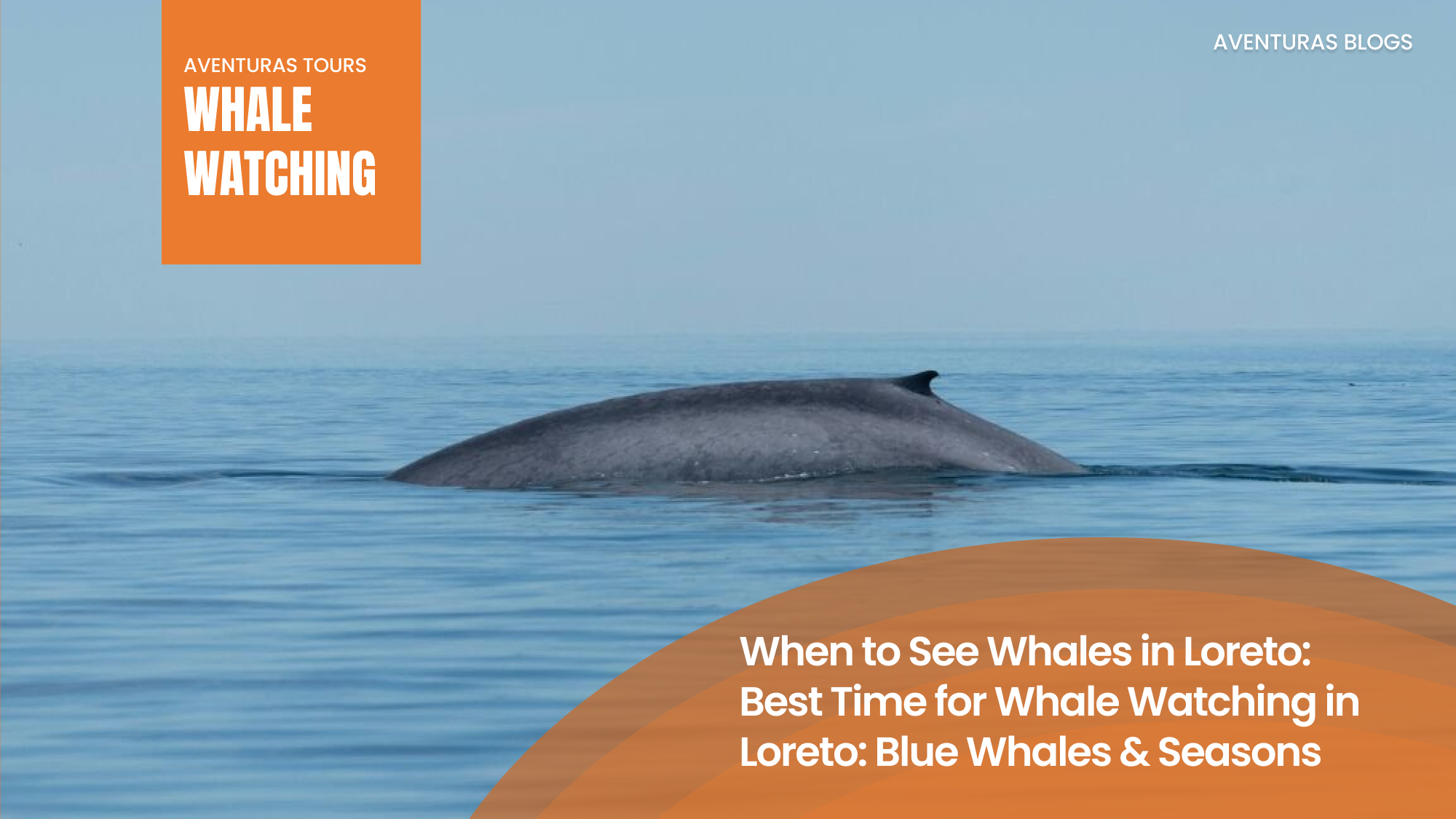
The main season for whale watching in Loreto is January through March, especially for travelers hoping to see blue whales. February is a useful month to consider within this window, but sightings depend on whale movements, food availability and conditions at sea.
Located in Baja California Sur, Mexico, Loreto offers access to the Sea of Cortez and Bahía de Loreto National Park. A winter visit can include whale watching, while other times of year offer different reasons to explore the islands, go snorkeling or scuba diving, and discover Baja’s desert landscapes.
This guide explains when to look for whales in Loreto and what to plan during each season.
When Is Whale Watching Season in Loreto?
January through March is the main planning window for blue whale watching in Loreto. Mexico’s protected-area authority, CONANP, has documented blue whales in the national park during these months.
However, wildlife does not follow a fixed arrival and departure schedule. Some seasons begin earlier or extend later, and sightings can change from one week to the next.
- Main blue whale planning window: January–March.
- A month to consider: February, within the main winter season.
- December and April: Check recent sightings and tour availability before planning a whale-focused visit.
- Year-round expectations: Other marine wildlife may be encountered, but blue whale sightings should not be expected throughout the year.
Which Whales Can You See in Loreto?
Blue whales are the species most closely associated with Loreto’s winter whale watching season. Their presence is linked to feeding opportunities in the Sea of Cortez.
Humpback whales may also be encountered during winter. Their appearance and activity vary, so a tour should not promise breaches, calves or a particular combination of species.
Fin whales, also called finback whales, occur in the Gulf of California, which supports a resident population. They should not be described as visitors that all arrive and leave on the same winter schedule as blue whales. Local sightings still vary.
Orcas are an occasional encounter rather than a species to plan a Loreto trip around. There is no dependable January–April viewing season to promise visitors.
Gray whales are primarily associated with Baja’s Pacific-side lagoons. Travelers interested in gray whale watching should consider a separate excursion to Magdalena Bay and confirm its seasonal availability.
December–January: Check Sightings as Winter Begins
December is too early to assume that Loreto’s blue whale season is fully underway. Before booking travel specifically for whales, ask about recent sightings and the start date of dedicated tours.
January falls within the main seasonal window, although the timing of blue whale appearances can vary.
Winter also offers opportunities to combine a boat outing with land adventures. Consider a guided UTV tour, dirt bike ride or e-bike excursion on another day.
What to plan:
- Whale watching when seasonal tours are operating.
- Island tours when wind and sea conditions allow.
- Guided land adventures during the cooler part of the day.
- A flexible schedule in case a boat trip needs to move.
February–March: Prioritize Whale Watching
February and March are worthwhile months to consider for a whale-focused visit to Loreto. Blue whales are the main attraction, with the possibility of encountering other marine wildlife during the outing.
Their locations change, so guides adjust the route according to recent observations and conditions. A particular island channel or departure point does not guarantee a sighting.
Winter winds can affect boat trips, including during these months. Give yourself some flexibility rather than assuming every day will offer calm seas.
What to plan:
- A dedicated Loreto whale watching tour.
- An island excursion on another suitable day.
- A UTV, dirt bike or e-bike adventure to experience Baja’s landscapes.
- An extra day in Loreto if whale watching is your main reason for visiting.
Explore Aventuras Tours’ whale watching trips and confirm availability for your dates.
April–June: Shift the Focus Toward Islands and Ocean Adventures
April is a transition month. Whales may still be reported, but travelers should check current sightings rather than assume the main blue whale season continues unchanged.
As spring progresses, build your itinerary around island tours, snorkeling, scuba diving and other available ocean activities.
Land adventures remain an option, although warmer weather makes departure times increasingly important. Ask the team which routes and schedules suit your travel dates.
What to plan:
- Guided island tours from Loreto.
- Snorkeling or scuba diving suited to current conditions.
- Sport fishing trips based on availability.
- Earlier departures for land activities as temperatures rise.
July–September: Focus on Snorkeling and Scuba Diving
Summer is a strong time to consider Loreto for underwater experiences. Warmer water makes this an appealing period for snorkeling and scuba diving, although visibility changes with the site and daily conditions.
Do not plan a summer visit around blue whale sightings. Instead, explore island beaches, marine habitats and the scenery of the Sea of Cortez.
Hot weather also calls for thoughtful scheduling on land. Discuss suitable departure times with your guide and allow flexibility for changing weather.
What to plan:
- Scuba diving and snorkeling excursions.
- Island boat tours and beach stops.
- Sport fishing trips.
- Land adventures scheduled around the heat.
October–November: Combine Ocean and Land Activities
Early autumn can still offer appealing conditions for scuba diving and snorkeling. As the season progresses, conditions change, so ask about water temperature, wind and the best sites for your visit.
As temperatures ease, this is also a useful period to consider guided UTV, dirt bike and e-bike adventures.
October and November should not be presented as Loreto’s main blue whale season. If whales are your priority, plan around the usual January–March window and confirm the upcoming tour schedule.
What to plan:
- Diving and snorkeling when conditions suit.
- Island excursions.
- Guided desert and mountain adventures.
- A combination of ocean and land tours.
How to Choose the Best Time to Visit Loreto
Choose your travel dates around the experience that matters most to you.
For blue whale watching: Start with January through March and check recent sightings before your outing.
For snorkeling and scuba diving: Consider the warmer months, especially summer and early autumn, while confirming conditions with the dive team.
For UTV, dirt bike and e-bike adventures: Consider the cooler months, or ask about suitable departure times during warmer weather.
For island tours: Ask about availability throughout the year. Routes and departures depend on wind, sea conditions and the experience you choose.
Which Whale Is Which? A Quick Identification Guide
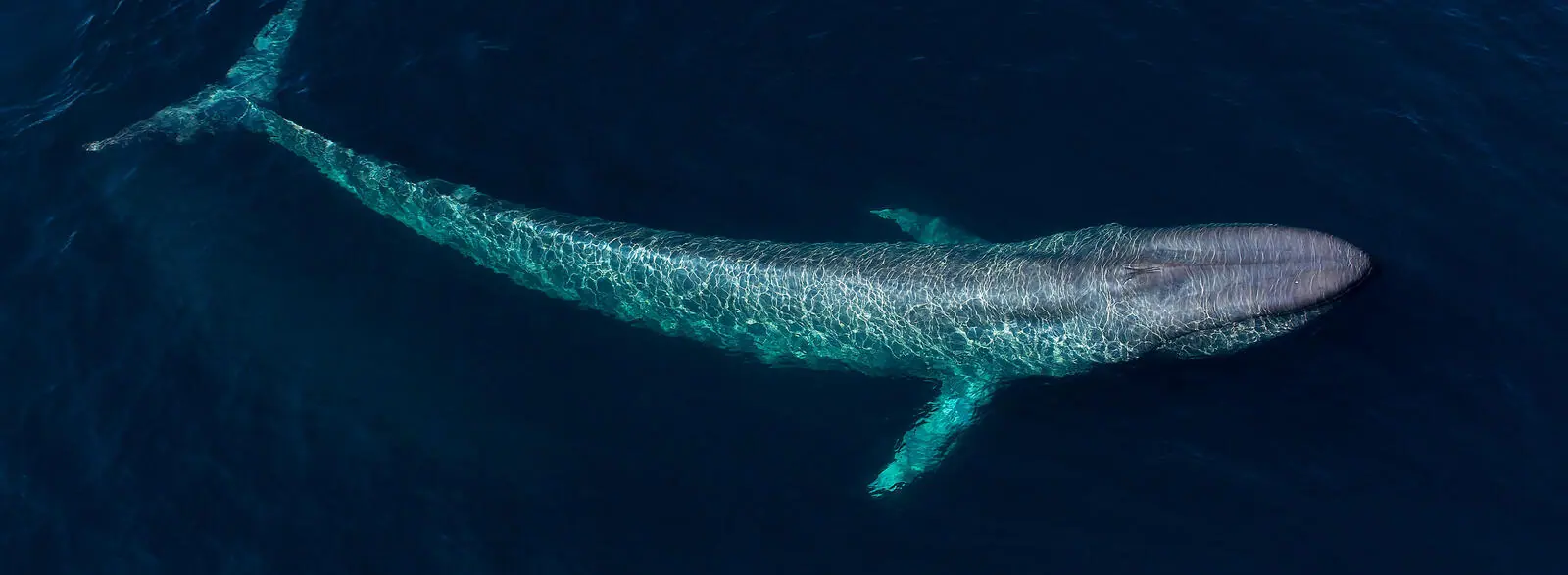
**Blue whale:** Look for an exceptionally long body, mottled blue-gray skin and a small dorsal fin positioned far back. Its blow is tall and column-shaped. Blue whales are the main attraction of Loreto’s seasonal whale watching trips, generally planned for January through March.
**Humpback whale:** Recognizable by its very long pectoral fins, which may show white coloring, and the rounded bumps on its head. Humpbacks sometimes breach or slap the water with their tails or fins, although these behaviors are never guaranteed during a tour.
**Fin whale:** A long, streamlined whale with a curved dorsal fin and distinctive lower-jaw coloring: dark on the left side and pale on the right. Fin whales are the second-longest whale species after blue whales. The Gulf of California supports a resident population, although sightings around Loreto vary.
**Orca (killer whale):** Distinctive black-and-white coloring, a white patch behind each eye and a prominent dorsal fin. Adult males have especially tall, upright dorsal fins. Orcas may travel in groups, but encounters in Loreto are occasional and should not be tied to a dependable winter viewing window.
**Looking for gray whales?** Gray whale watching takes place in Baja’s Pacific-side lagoons, including Magdalena Bay. This is a separate excursion across the peninsula, rather than a whale watching tour in Loreto Bay.
Your guide can help identify the whales you encounter. Distance, light and how much of the animal appears above the surface can make identification challenging.
Planning Your Whale Watching Trip: Tips for the Best Experience
**Book ahead for your preferred dates.** If you are visiting Loreto during the January–March whale watching season, reserve in advance, especially if your itinerary has little flexibility. Confirm departure times, availability and recent sightings with the team.
**Let conditions guide the departure.** Morning trips can be a good option, but calm seas are never guaranteed. Wind and sea conditions determine whether a tour can operate and which areas the boat can comfortably reach.
**Choose an authorized operator that respects wildlife.** Look for an operator with the required whale watching authorization and guides who follow Mexican observation rules. Minimum distances depend on the species and vessel size. Responsible encounters give whales space without chasing them, blocking their path or separating mothers and calves.
**Pack for sun, wind and spray.** Bring a light windproof layer, a hat, sunglasses, sunscreen and a reusable water bottle. Keep your phone and camera protected from splashes. Binoculars or a zoom lens can help you enjoy sightings while the boat maintains a respectful distance.
**Prepare for motion if needed.** If you are prone to seasickness, plan ahead and ask a pharmacist or healthcare professional about an appropriate option before your trip.
**Build flexibility into your itinerary.** If whale watching is a priority, leave an extra day available in case weather affects your departure. A second outing may offer another opportunity to see whales, but no trip can guarantee a particular species or behavior.
**Enjoy the whole setting.** Beyond the whales, take time to appreciate Loreto’s islands, the Sierra de la Giganta and any dolphins or seabirds encountered along the way. Each outing offers a different view of the Sea of Cortez.
Why Whale Watch With Aventuras Tours
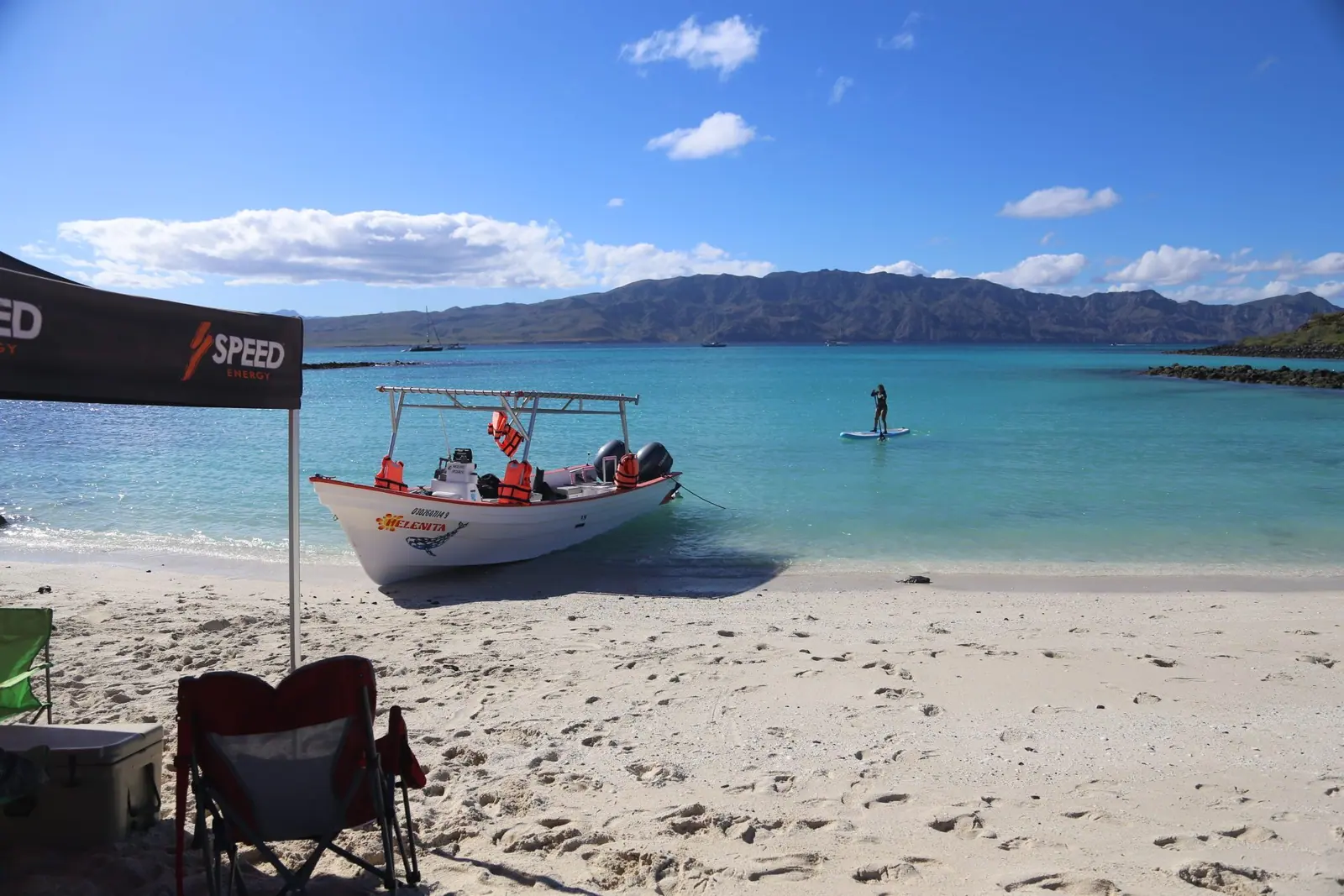
**Premium Land & Sea Adventures** is the heart of Aventuras Tours. Our small-group whale watching trips in Loreto combine personal attention, local bilingual guides and the extraordinary scenery of Bahía de Loreto National Park, with its islands, the Sea of Cortez and the Sierra de la Giganta.
We operate two pangas: one fitted with a new engine and another with twin engines. Both have fixed shade canopies and safety equipment, and are equipped for island tours, fishing and scuba diving. Binoculars are available to help you observe marine wildlife from a respectful distance.
Our whale watching routes adapt to recent sightings and sea conditions, giving whales space to move naturally. Along the way, you may also encounter dolphins and seabirds while enjoying the surrounding island landscapes.
Lunch is part of the experience. When conditions are calm and whales remain nearby, we may enjoy lunch aboard the panga while observing them from the appropriate distance. On other days, we head to a beach on one of the national park’s islands.
Discover more of Loreto with our premium land and sea adventures. Pair whale watching with an island and snorkeling tour, scuba diving, or a guided UTV, dirt bike or e-bike excursion. Our team can help you build an itinerary around your travel dates and interests.
[Explore whale watching in Loreto with Aventuras Tours and check availability.](/whale-watching)
FAQ: Whale Watching in Loreto
January through March is the main planning window, especially for blue whales. February is a useful month to consider within this season. Whale movements and sightings vary each year, so check recent observations and tour availability before booking a trip specifically for whales.
**What whales can you see in Loreto?**
Blue whales are the main attraction during the seasonal whale watching period. Humpback whales and fin whales may also be encountered. Orcas are an occasional sighting rather than a regular feature of every season. You may also see dolphins and seabirds during the outing.
**Can you see blue whales in Loreto?**
Yes. Blue whales visit the waters of Bahía de Loreto National Park seasonally, and January through March is the main window for planning a tour. Their locations change with feeding conditions and movements, so routes vary and sightings are never guaranteed.
**Can you see gray whales on a Loreto Bay tour?**
Gray whale watching is a different excursion, focused on Baja’s Pacific-side lagoons, including Magdalena Bay. If gray whales are your priority, plan a separate trip across the peninsula rather than a Loreto Bay whale watching tour.
**How long is the Aventuras Tours whale watching trip?**
Our Loreto whale watching tour is approximately five hours. Confirm your meeting point and departure time when booking. The route and timing may be adjusted according to sea conditions and wildlife activity.
**Is Loreto or La Paz better for whale watching?**
Choose according to the animal you want to see. Loreto is known for seasonal blue whale watching in Bahía de Loreto National Park. La Paz is well known for whale shark excursions, which are a different experience: whale sharks are fish. Check seasonal availability for the activity you choose.
**Do I need to book my whale watching tour in advance?**
We recommend booking ahead for the January–March season, especially if you have specific dates or want a small-group experience. Contact the team to confirm availability and allow some flexibility in your itinerary.
**How close are boats allowed to get to whales?**
Mexican whale watching rules set minimum observation distances according to the species and vessel size. Blue whales and fin whales require greater separation than several other species. The rules also regulate boat speed, approaches and the number of vessels observing a whale. Follow your guide’s instructions and allow the animals space to move naturally.
**Is a whale shark the same as a whale?**
No. A whale shark is the world’s largest fish and breathes through gills. Whales are mammals that breathe air at the surface. A whale shark excursion and a whale watching tour are different wildlife experiences.
**What makes Aventuras Tours’ whale watching experience premium?**
Our Premium Land & Sea Adventures approach combines small groups, personal attention and local bilingual guides. Our two pangas have fixed shade canopies and safety equipment; one has a new engine and the other has twin engines. The whale watching tour includes lunch, beverages and binoculars available on board.
**What can I do in Loreto outside whale watching season?**
Explore the islands, go snorkeling or scuba diving, book a fishing trip, or discover Baja’s landscapes on a guided UTV, dirt bike or e-bike tour. Summer and early autumn are appealing for warmer-water activities, while cooler months can be more comfortable for land adventures. Ask the team which experiences suit your dates and current conditions.
**Where can I check tour availability?**
[View Aventuras Tours’ Loreto whale watching tour and check availability.](/whale-watching)
## Sources
- [CONANP: Blue whales in Bahía de Loreto National Park](https://www.gob.mx/conanp/prensa/el-animal-mas-grande-del-planeta-llega-al-parque-nacional-bahia-de-loreto)
- [Mexican whale watching regulations: NOM-131-SEMARNAT-2010](https://dof.gob.mx/normasOficiales/4526/SEMARNAT/SEMARNAT.htm)
- [NOAA Fisheries: Whale species information](https://www.fisheries.noaa.gov/whales)