Scuba Diving in the Sea of Cortez for First-Timers
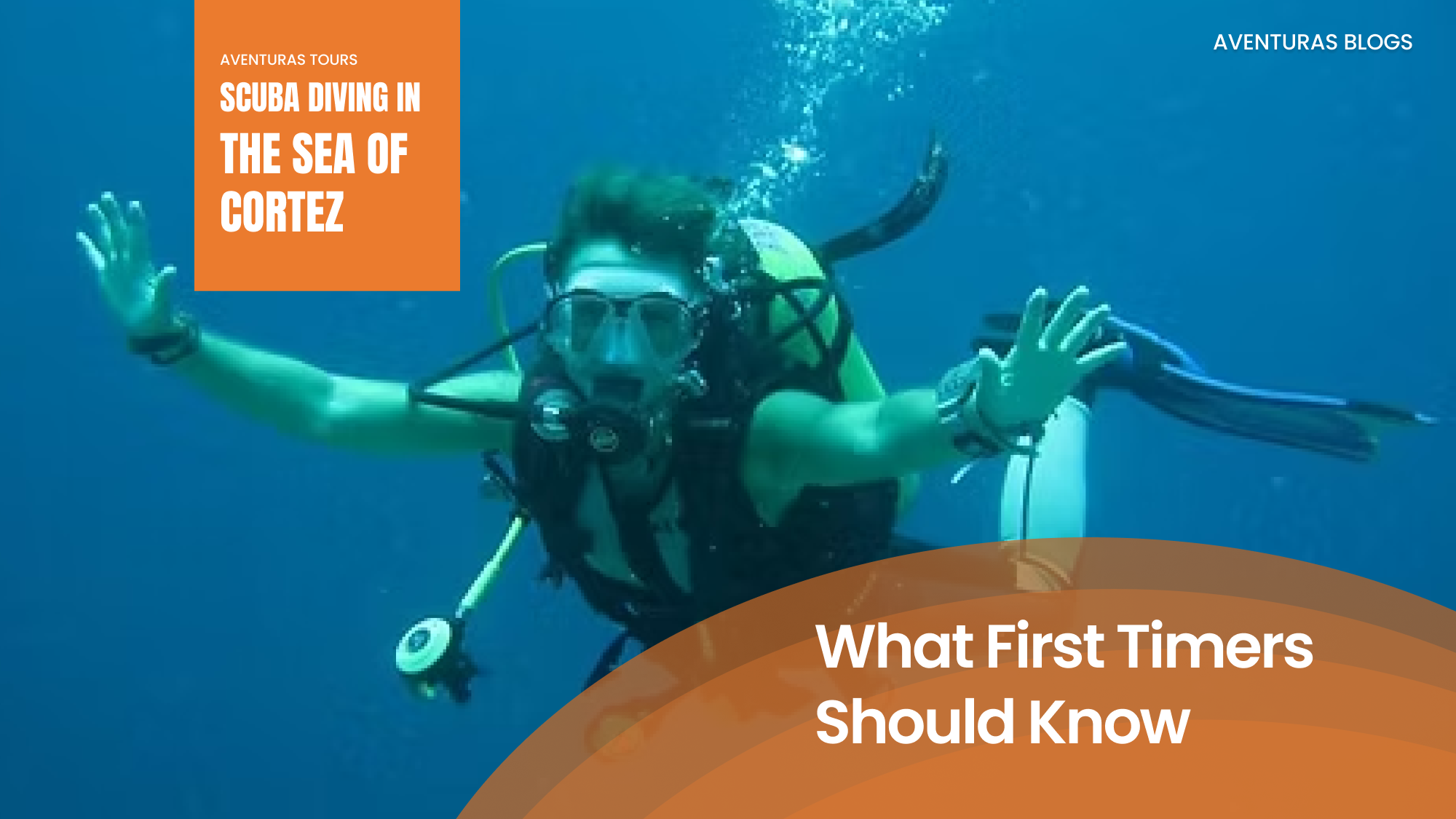
Short answer: yes, this is a good place to try diving for the first time, and you don't need a certification to do it. Discover Scuba Diving pairs you with a PADI professional one on one for a supervised dive; no course required. If you're already certified, a standard two-dive trip runs year-round. Want to actually get certified while you're there? A 3-day PADI Open Water course is available locally too.
-Diving season: year-round for certified divers, May through December for Discover Scuba Diving
-Best conditions: roughly August through October, when the water's warmest and clearest
-No certification needed: that's exactly what Discover Scuba Diving is for
Why Dive the Sea of Cortez Near Loreto
That protection is a big part of why it works so well for beginners. Volcanic rock formations, walls, and pinnacles sit close to shore. Boat traffic is light. Most sites have little to no current. Throw in sea lion colonies, dense schools of fish, and warm water for a good chunk of the year, and it's no surprise Sea of Cortez tours built around diving have become one of Loreto's signature activities, right alongside its whale watching season.
Water Temperature and Visibility Near Loreto
Do You Need to Be Certified to Dive Here?
Discover Scuba Diving is the easiest entry point. It's a PADI program for people who've never dived before: a short safety briefing, then a supervised open-water dive capped around 12 meters (40 feet). It's not a certification, but it's a real dive, not a pool session.
If you're already certified, a standard two-dive tour is the more common route. Most run about five hours, with sites picked based on your certification level, recent experience, and the day's conditions. Tanks and weights are usually included; full gear rental costs extra.
Then there's the Open Water course, for anyone who wants to leave Loreto actually certified. It typically runs three days on-site, after you finish PADI's eLearning theory beforehand, and it qualifies you to dive to 18 meters (60 feet), which happens to be about as deep as most Loreto dives go anyway.
Most recreational dives here land around 18–21 meters (60–70 feet) regardless of which path you take. There's rarely a reason to go deeper to see what makes this coastline worth diving.
Marine Life You Might See While Diving
Visit between December and April and you might even hear whales underwater. It's the same stretch of coast where Loreto's blue whale season peaks.
What to Expect on Your First Dive Trip: Tips for Beginners
You'll want a wetsuit, not board shorts, even in August. Most divers wear at least a shorty or 3mm suit, thicker in winter. Your operator will tell you what's right for the season.
Currents here are usually mild. Not always, conditions shift day to day, which is exactly why divemasters pick sites the morning of rather than weeks out.
Mixed experience levels can usually dive together. Operators typically check everyone's certification and recent experience before choosing sites, so a first-timer and a seasoned diver can often share the same boat.
Weather sometimes wins. If sea conditions turn, expect your operator to switch sites, reschedule, or just cancel rather than push through anyway. That's a sign of a good operation, not a bad one.
Bring reef-safe sunscreen and something warm for the ride out. You'll spend real time on open water before you even get in it.
Why Dive With Aventuras Tours
- Scuba Diving Tour: two guided dives, year-round, for certified divers.
- Discover Scuba Diving: no certification needed, May through December, built for first-timers.
- Open Water Diving Course: a 3-day PADI certification course, year-round.
Every trip runs on the same small-group, safety-first approach we bring to everything else we run in Loreto, from island tours to whale watching. Not sure which level fits you? Reach out before booking, and we'll help you sort it out.
FAQ: Scuba Diving in the Sea of Cortez
No. Discover Scuba Diving is built for people who've never done this before: a safety briefing, then a supervised dive with a PADI professional. No prior experience, no certification.
What's the best time of year for Sea of Cortez tours built around diving?
Roughly May through December, with August to October usually bringing the warmest water and clearest visibility. Certified divers can go year-round; Discover Scuba Diving specifically runs May through December.
How deep are the dives near Loreto?
Most recreational dives sit around 18 to 21 meters (60 to 70 feet). Discover Scuba Diving caps out around 12 meters (40 feet) for safety.
Is scuba equipment included on Loreto dive trips?
Tanks and weights usually are. Full gear, BCD, regulator, wetsuit, is typically a separate rental unless your package says otherwise.
Can beginners and certified divers dive together?
Usually. Operators check everyone's certification and recent experience beforehand and adjust the site and dive plan so both groups can dive safely on the same trip.
What marine life will I see?
Sea lions, rays, turtles, moray eels, nudibranchs, and big schools of reef and pelagic fish, especially around Isla Coronados. Nothing's guaranteed, but the variety is the whole point.
How soon can I fly after scuba diving?
Not right away. You need a surface interval first, and your dive professional will confirm exactly how long based on your dives that day.
Do I need a wetsuit?
In most seasons, yes. Water temperature swings from the mid-60s°F in winter up to the mid-80s°F in late summer, so your operator will tell you what thickness makes sense for when you're going.
Sources
- Diving Loreto, Mexico: Over 100 Dive Sites (California Diver Magazine)
- Aventuras Tours FAQs (Scuba Diving)